

The idea
Every advance begins with seeing something worth understanding.
Albatross
 Pacific Meridian CyberneticsCorporation

Aerospace engineering & research
PMC helps aerospace teams turn requirements into aircraft concepts, understand how structures carry load, and make design decisions with evidence.
Explore our approachEngineering consulting
What does the aircraft need to do? We turn mission and operating requirements into design options, then identify the structural questions worth answering first.
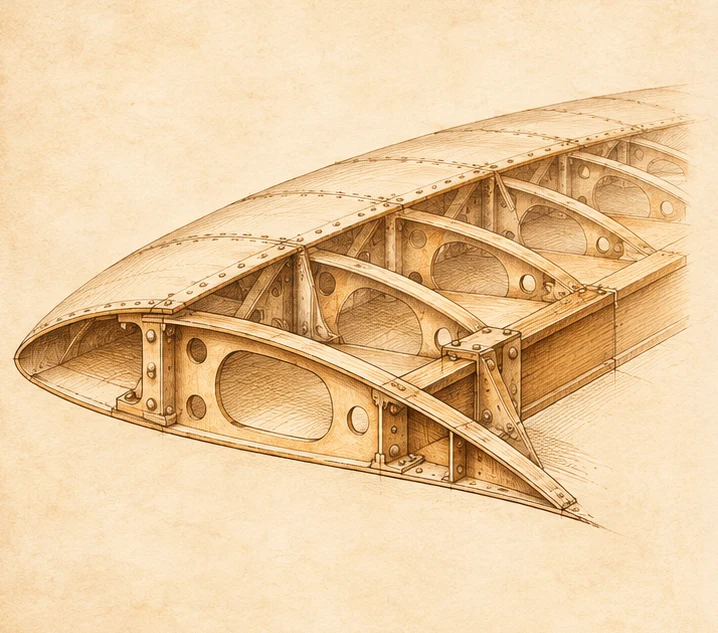
Structural design
A cutaway makes the design question tangible. How do the skin, ribs, and spars share load, and where does it transfer into the rest of the airframe?
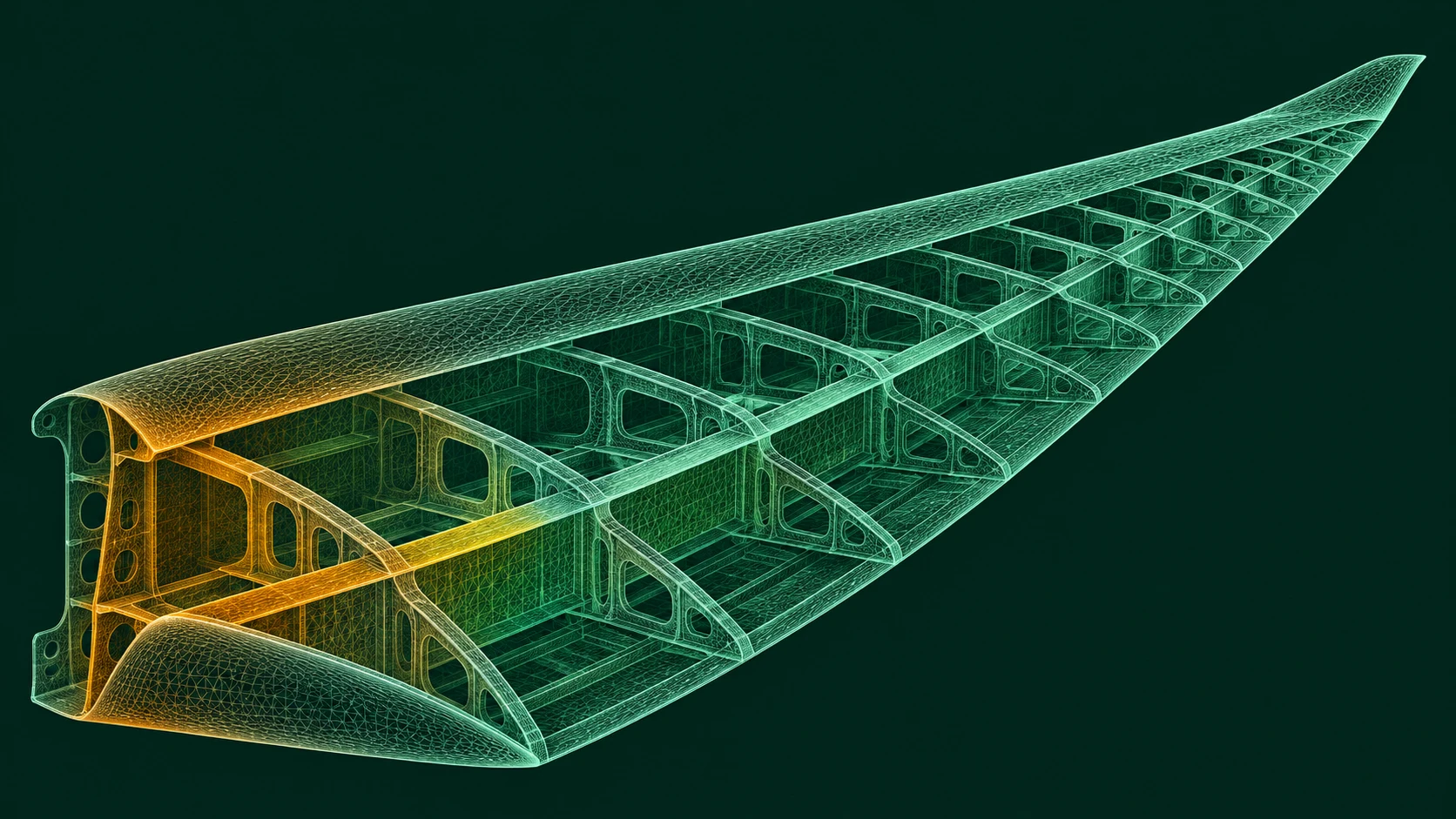
Analysis & simulation
We use finite element analysis and trade studies to compare structural options and identify which assumptions deserve a closer look.
Explore PMC capabilities
The idea
Albatross

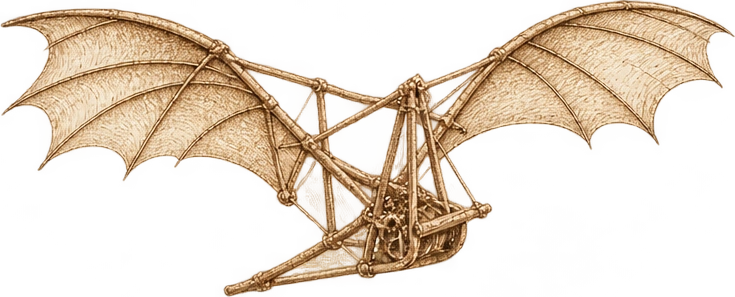
The concept
Leonardo da Vinci’s flying machine

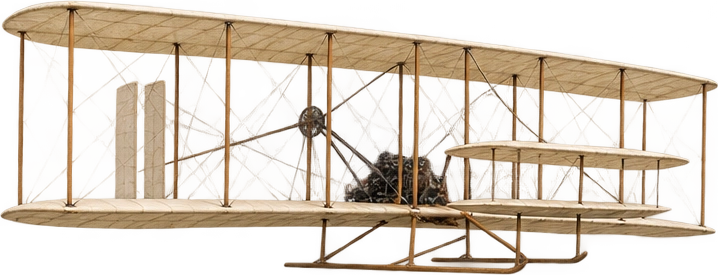
The prototype
The Wright Flyer


Mass production
Boeing 747


Technology advances
F-35 Lightning II
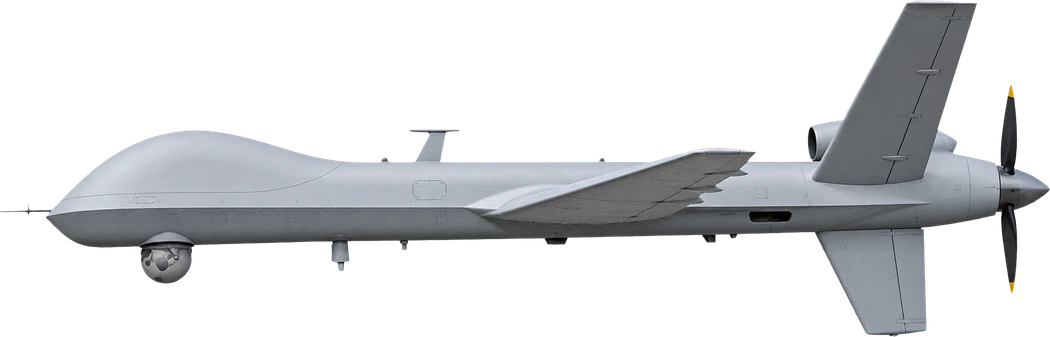
What’s next
MQ-9 Reaper
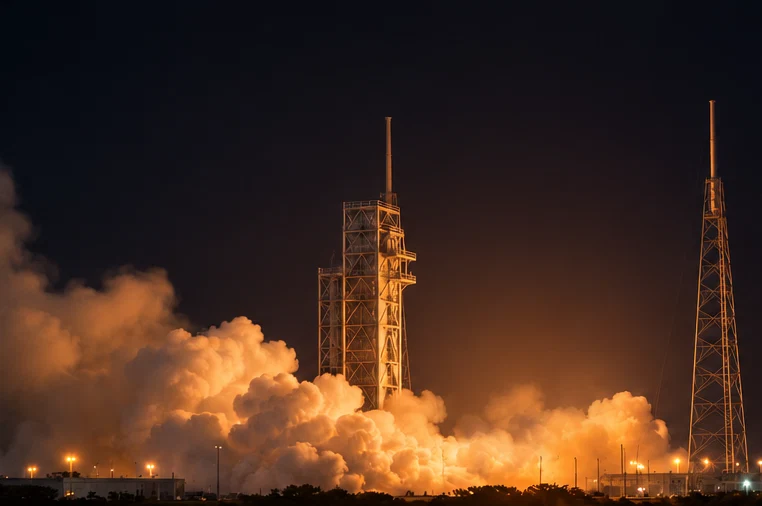

What lies beyond
ULA Vulcan launch
Capabilities
Technical education in engineering fundamentals, design, and simulation workflows.
Independent exploration of advanced aircraft concepts and emerging engineering methods.
Modeling and simulation to evaluate complex systems and inform design decisions.
A long-term research direction in control systems, machine intelligence, and human–machine collaboration.
Explore technical learning materials through the Engineering Academy.
The company
Our mission is to advance engineering knowledge, cultivate technical excellence, and transform scientific understanding into practical solutions.
We develop rigorous engineering education, deliver independent technical expertise, and pursue research and innovation founded upon a deep understanding of fundamental principles.
We are committed to preserving the accumulated wisdom of generations of engineers and scientists while empowering new generations to question established boundaries, master complex technologies, and create what was once considered impossible.
We believe that true technological progress begins with understanding, is sustained by intellectual discipline, and is realized through the courage to invent.
Read the Founder’s Vision
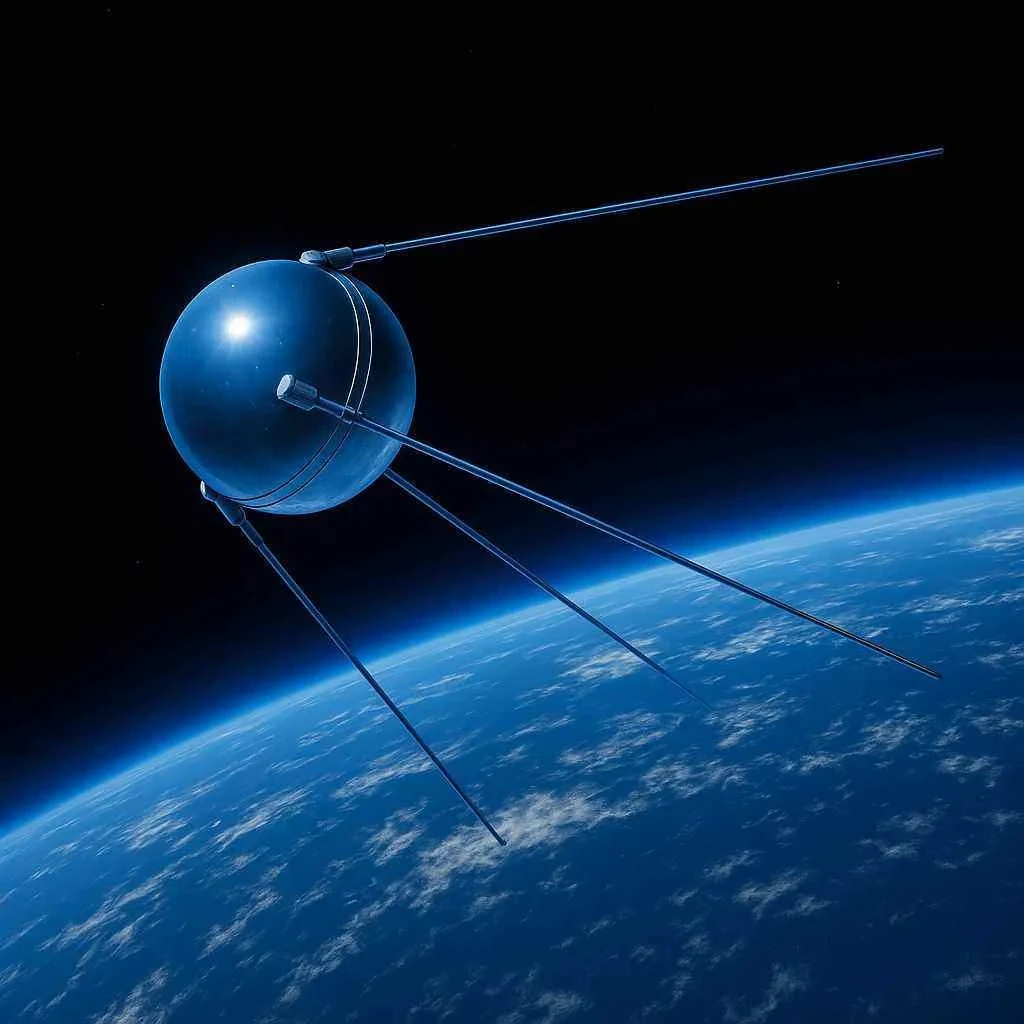

Sputnik first artificial satellite

Pacific Meridian Cybernetics Corporation
Pacific Meridian Cybernetics Corporation is founded upon a conviction that the greatest achievements of engineering arise from the union of knowledge, intellectual discipline, imagination, and the courage to venture beyond established boundaries.
We aspire to build an enduring institution of engineering, science, and invention—one that preserves the finest traditions of technical excellence while pursuing technologies that will shape the centuries ahead.
Our foundation is the accumulated knowledge of generations: the principles of engineering, the rigor of scientific inquiry, the craftsmanship of design, and the culture of education in which understanding takes precedence over superficial proficiency.
We believe that progress does not require abandoning the wisdom of the past. It requires understanding that wisdom deeply enough to carry it forward.
Our work begins in aerospace engineering, aviation, and technical education, where established expertise provides the foundation for independent research, engineering development, and the cultivation of future generations of exceptional technical minds.
From this foundation, we intend to expand into advanced robotics, autonomous and unmanned systems, computational intelligence, cybernetics, and the digital twinning of consciousness and human experience.
We envision intelligent machines capable of undertaking dangerous work, extending human capabilities, and transforming the relationship between people and technology. We seek to develop the computational architectures, control systems, and machine intelligence that make such technologies possible.
We envision new means of preserving and extending accumulated knowledge, experience, culture, and individuality across generations, and exploring the frontiers of artificial consciousness and intelligent companionship.
At the center of this ambition stands an uncompromising principle:
The technologies we create must be understood by the people who create them.
We will pursue mastery of the fundamental principles, architectures, algorithms, and physical systems underlying our work. Artificial intelligence will serve as an instrument of discovery and engineering, not a substitute for human understanding, technical judgment, or accountability.
We seek to cultivate a community of exceptional engineers, scientists, educators, and inventors, united not merely by professional credentials but by intellectual curiosity, demonstrated capability, rigorous thinking, and the willingness to challenge what is considered possible.
We will value knowledge over appearances, competence over convention, and genuine achievement over the imitation of progress.
Our ambition is not simply to develop products, but to establish an institution whose work becomes inseparable from the advancement of civilization—an institution that preserves knowledge, creates new knowledge, and transforms both into technologies of enduring consequence.
We intend to inherit the excellence of the past, master the possibilities of the present, and engineer what has not yet been imagined.